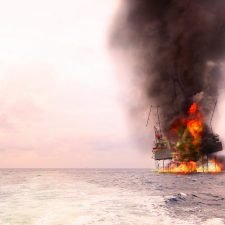
If you work on the water, whether aboard a cargo vessel, fishing boat, offshore platform, or tugboat, you operate in one of the most physically demanding and legally complex environments in the world. When injuries happen at sea or on navigable waters, the path to compensation looks very different from what most land-based workers experience. Understanding these differences can be the deciding factor in whether you receive the full compensation you deserve.
A Completely Separate Legal System
Most workers injured on the job turn to their state’s workers’ compensation system. That system provides a relatively straightforward process: report the injury, file a claim, and receive a set schedule of benefits regardless of who was at fault. It is a no-fault system designed for speed and consistency.
Maritime workers, however, are governed by a body of federal law that has roots going back centuries. Rather than a single workers’ comp statute, injured maritime workers may have access to multiple overlapping legal doctrines, each with its own eligibility rules, benefits, processes, and procedures. This layered system reflects the unique dangers of working at sea and the long history of protecting those who make their living on the water.
Key Legal Protections Unique to Maritime Workers
Maintenance and Cure
One of the oldest protections in maritime law is the right to maintenance and cure. This applies to seamen who spend a significant portion of their time aboard a vessel in navigation. “Maintenance” refers to a daily living allowance paid to an injured seaman while they recover and are unable to work. “Cure” refers to the employer’s obligation to pay for all reasonable and necessary medical treatment until the worker reaches maximum medical improvement. Importantly, these benefits are owed regardless of fault. An injured seaman does not need to prove their employer did anything wrong to receive maintenance and cure.
This is a significant departure from standard workers’ compensation, which typically sets fixed benefit amounts according to a state-mandated schedule. Maintenance and cure are rooted in federal maritime tradition and can, in some cases, be supplemented or replaced by other claims.
The Right to Sue for Negligence
Unlike most land-based employees, maritime workers classified as seamen have the right to file a personal injury lawsuit against their employer for negligence. This right dramatically expands the potential recovery available to an injured worker.
In a standard workers’ comp claim, an employee generally cannot sue their employer, as they are limited to the benefits provided by the compensation system. In contrast, a maritime worker pursuing a negligence claim can seek damages for pain and suffering, loss of future earnings, emotional distress, and more. These categories of damages are simply not available through traditional workers’ comp.
The standard for proving negligence in maritime cases is intentionally favorable to injured workers. Even a slight degree of employer negligence, like a failure to provide proper equipment or a known hazard left unaddressed, can be enough to support a successful claim.
Unseaworthiness
A separate and powerful maritime doctrine holds that vessel owners have an absolute duty to provide a seaworthy vessel. This means the ship, its equipment, and its crew must all be reasonably fit for their intended purpose.
An injured worker may have a claim based on unseaworthiness if the injury was caused by any of these conditions:
- Unseaworthy condition
- Defective gear
- A slippery deck with no non-slip surfaces
- Inadequate firefighting equipment
- An incompetent crew member
This is separate from negligence and does not require proving that the vessel owner knew about the problem or acted carelessly. The obligation is absolute.
The Longshore and Harbor Workers’ Compensation Act
Not all maritime workers qualify as “seamen” under the law. Dockworkers, harbor construction employees, shipbuilders, and ship repairers may instead be covered by a federal statute that provides compensation benefits more similar to traditional workers’ comp, but administered at the federal level rather than through a state system. This federal program generally provides higher benefit amounts than most state workers’ comp systems and includes strong protections against employer retaliation. However, it does not provide the same right to sue for negligence that seamen enjoy.
Why Fault Matters Differently in Maritime Claims
In a traditional workers’ comp setting, fault is largely irrelevant. An employee injured on the job receives benefits no matter what caused the injury.
Maritime law treats fault very differently. While maintenance and cure are owed without regard to fault, the ability to pursue additional damages depends heavily on proving that someone acted negligently or allowed an unsafe condition to exist. This means that gathering evidence and acting quickly after an injury can have a major impact on the outcome of a maritime claim.
Statutes of Limitations Are Different Too
Another critical distinction involves the deadlines for filing claims. Maritime injury claims operate under different (and in some cases shorter) statutes of limitations than standard workers’ comp claims. Missing these deadlines can permanently bar an injured worker from recovering any compensation at all.
Additionally, the location of the injury, the cause of the injury, the type of vessel involved, and the nature of the work being performed all affect which laws apply and which deadlines govern. This complexity is one of the key reasons that injured maritime workers benefit from speaking with a maritime lawyer as early as possible after an injury occurs.
Common Mistakes Injured Maritime Workers Make
Many maritime workers inadvertently harm their claims by making assumptions based on how land-based workers’ compensation works. Some of the most common mistakes include:
- Accepting the first medical provider assigned by the employer without understanding the right to seek an independent medical evaluation.
- Signing releases or settlement agreements before understanding the full extent of the injury and all available legal remedies.
- Failing to document the circumstances of the injury thoroughly, including the condition of the equipment and the names of witnesses.
- Returning to work before receiving medical clearance, which can be used to argue that the injury was not serious or that recovery is complete.
Take Action: Speak with a Maritime Lawyer Today
If you have been injured while working on the water, the decisions you make in the days and weeks following your injury can significantly affect the outcome of your case. Maritime law is a specialized and complex field, and the protections available to injured maritime workers are far more extensive than most people realize.
Do not assume that your employer’s insurance company or human resources department has your best interests in mind. Do not sign any documents or accept any settlement offers before understanding your rights in full.
Consulting with an experienced maritime attorney costs nothing upfront; most maritime injury lawyers work on a contingency basis, meaning you pay no fees unless you recover compensation. Reach out today for a confidential consultation and get the guidance you need to protect your future.
Frequently Asked Questions
Does maritime law apply if I was injured in a port rather than out at sea?
Maritime law can apply to injuries occurring on navigable waters and, in many cases, to injuries on shore that have a substantial connection to maritime activity. The specific circumstances of the injury determine which legal framework applies.
What if my employer pressures me to use their workers’ comp system instead of pursuing maritime remedies?
Maritime workers often have rights that go beyond what an employer’s standard workers’ comp policy covers. Accepting a workers’ comp settlement without understanding your full rights under maritime law could result in significantly less compensation than you are entitled to. We recommend consulting with a lawyer before accepting any settlements.
Can I pursue a claim if I was partly at fault for my own injury?
In most maritime claims, an injured worker’s own negligence does not bar recovery entirely. It may reduce the amount of compensation received, but it does not eliminate the claim. This is more favorable than some state workers’ comp systems.
What types of damages can maritime workers recover that land-based workers cannot?
Maritime workers may be able to recover compensation for pain and suffering, loss of future earning capacity, loss of enjoyment of life, and, in cases of serious employer misconduct, punitive damages.
How long do I have to file a maritime injury claim?
Deadlines vary dramatically. Some claims must be filed within a relatively short period of time, so acting quickly is essential.
Is maintenance and cure the same as workers’ compensation?
No. Maintenance and cure are separate maritime rights with their own rules. It may be paid in addition to (or separate from) other compensation, and disputes over maintenance and cure can themselves give rise to additional legal claims.