Offshore platforms are some of the most demanding workplaces on earth. Workers operate far from shore, surrounded by powerful machinery, flammable materials, and unpredictable ocean conditions. When something goes wrong out there, the consequences can be serious and long-lasting. Understanding what leads to these accidents is an important first step, both for workers who want to stay safe and for families who want to know what really happened after an injury occurs. This article breaks down the most common causes of offshore platform accidents in a way that is easy to follow, no matter your background.
Equipment Failure and Mechanical Malfunction
Offshore platforms depend on a wide range of heavy machinery, from drilling systems and cranes to pressurized valves and pumps. This equipment works around the clock in a harsh marine environment, which means it takes a beating over time. When inspections are delayed or maintenance schedules are skipped, small problems can grow into serious ones. Corrosion, worn components, and improper repairs are among the most common reasons equipment fails offshore.
A crane cable that has not been inspected recently or a valve that has not been properly serviced can give way without much warning. These failures do not just damage equipment; they put workers directly in harm’s way.
Fires, Explosions, and Well Blowouts
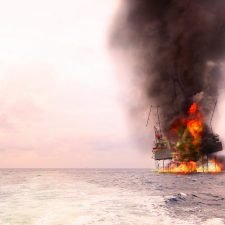
Oil and gas extraction involves materials that are naturally flammable, and those materials are often kept under extreme pressure. Gas leaks, electrical faults, and poorly maintained valves can all serve as triggers for fires or explosions on a platform. A well blowout, which happens when pressure inside a well is not properly controlled, is one of the most severe events that can occur offshore. These incidents can lead to serious injuries and large-scale evacuations that affect the entire platform and everyone on it.
Human Error and Inadequate Training
Even with the best equipment in the world, human error remains one of the leading contributors to offshore accidents. The offshore environment is complex, and workers are often asked to perform high-stakes tasks under pressure. When workers are exhausted from long shifts or when there is poor communication between crew members, the chance of a mistake goes up significantly.
Workers who have not received thorough training may not fully understand the procedures they are following or the risks involved in a task. Pressure to complete jobs quickly can also lead people to skip important safety steps, which points to a broader breakdown in how offshore operations are managed rather than a failure of any one individual.
Hazardous Weather and Rough Sea Conditions
The ocean does not follow a schedule. High winds, sudden storms, and rough waves are facts of life for offshore workers, and they create dangers that are difficult to predict or fully prepare for. Severe weather can damage equipment, shift heavy loads, and make walking surfaces dangerously slippery.
Platforms can become less stable during extreme conditions, and the risk of falls or dropped objects increases significantly. Transferring between a vessel and a platform, which workers do routinely, becomes much more dangerous when the seas are rough. Weather-related accidents are a reminder that even well-maintained platforms are not immune to the forces of nature.
Unsafe Working Conditions and a Weak Safety Culture
There is a real difference between having safety rules written down and actually following them. When companies do not make safety a genuine priority, that attitude tends to filter down through the entire operation. Poor lighting, slippery surfaces, and a lack of proper fall protection are examples of conditions that can be corrected but are sometimes left unaddressed to save time or money.
When workers feel they cannot raise safety concerns without facing pushback, problems go unreported and unresolved. A workplace culture that does not take safety seriously tends to see the same types of accidents repeat themselves over time.
Improper Handling of Hazardous Materials
Offshore platforms store and use a range of chemicals, fuels, and pressurized substances as part of normal operations. These materials require careful handling, proper labeling, and appropriate storage at all times. When those procedures are not followed, workers can be exposed to toxic fumes, chemical burns, or the risk of an explosion triggered by improper containment. These incidents are sometimes considered less dramatic than fires or blowouts, but they can cause serious long-term health effects that are just as significant for the workers involved.
Vessel Collisions and Transfer Accidents
Crew members regularly move between supply vessels and platforms, often in conditions that are less than ideal. Rough seas, poor coordination between vessel operators and platform crews, or simple operator error can result in collisions, falls into the water, or crush injuries during the transfer process. Because these incidents happen at the point where maritime and offshore operations intersect, they can involve a layered set of responsibilities and potential liabilities that make them more complex than they might first appear.
Structural Failures and Platform Integrity
Offshore platforms are built to withstand a great deal of stress, but they are not indestructible. Over time, the constant pressure from waves, wind, and heavy equipment use takes a toll on structural components. Corrosion, design flaws, and missed structural inspections can allow damage to go unnoticed until a failure occurs. Partial collapses or structural weaknesses can create sudden, unexpected dangers for everyone on board, which is why keeping a platform structurally sound requires ongoing attention and investment from operators.
Why Understanding These Causes Matters
Knowing what caused an offshore accident is not just an academic exercise. It is a critical step in determining who bears responsibility for what happened. Depending on the circumstances, that responsibility may fall on employers, vessel operators, equipment manufacturers, third-party contractors, or maintenance companies, and sometimes more than one party at once.
Offshore injury cases are governed by specialized areas of law, including maritime law, which operates differently from standard personal injury claims. Working with an experienced offshore injury lawyer is often essential for navigating these complexities and building a case that reflects the full picture of what went wrong.
If you or someone you know has been injured on an offshore platform, contact our team today to discuss your situation and understand your legal options.
Frequently Asked Questions
What makes offshore injury cases different from regular personal injury claims?
Offshore injuries are often covered under maritime law, which has its own rules around liability, compensation, and filing deadlines. These cases typically require legal experience that goes beyond standard personal injury practice.
Can a worker be compensated if the accident was partly their own fault?
In many maritime injury cases, yes. The legal framework often allows for compensation even when a worker shares some responsibility, though the amount may be affected by the degree of fault assigned to each party.
Who can be held responsible for an offshore platform accident?
Responsibility can extend to employers, platform operators, equipment manufacturers, third-party contractors, or any combination of parties whose actions or negligence contributed to the accident.